Quick answer: UV-resistant driveway concrete coatings use specially formulated resins that block ultraviolet rays from breaking down the coating's molecular structure. Unlike standard sealers, these coatings resist fading, chalking, and yellowing, keeping driveways looking freshly finished for years. TSR Concrete Coatings installs UV-stable driveway coatings Bloomington IL homeowners can count on through every Illinois season.
Key Takeaways
- Standard concrete sealers break down under sun exposure, leading to fading, chalking, and cracking within a few years.
- UV-resistant coatings use polyaspartic or polyurea formulations that maintain color and strength despite constant sun exposure.
- TSR Concrete Coatings offers UV-stable driveway concrete coatings designed specifically for Bloomington's seasonal climate swings.
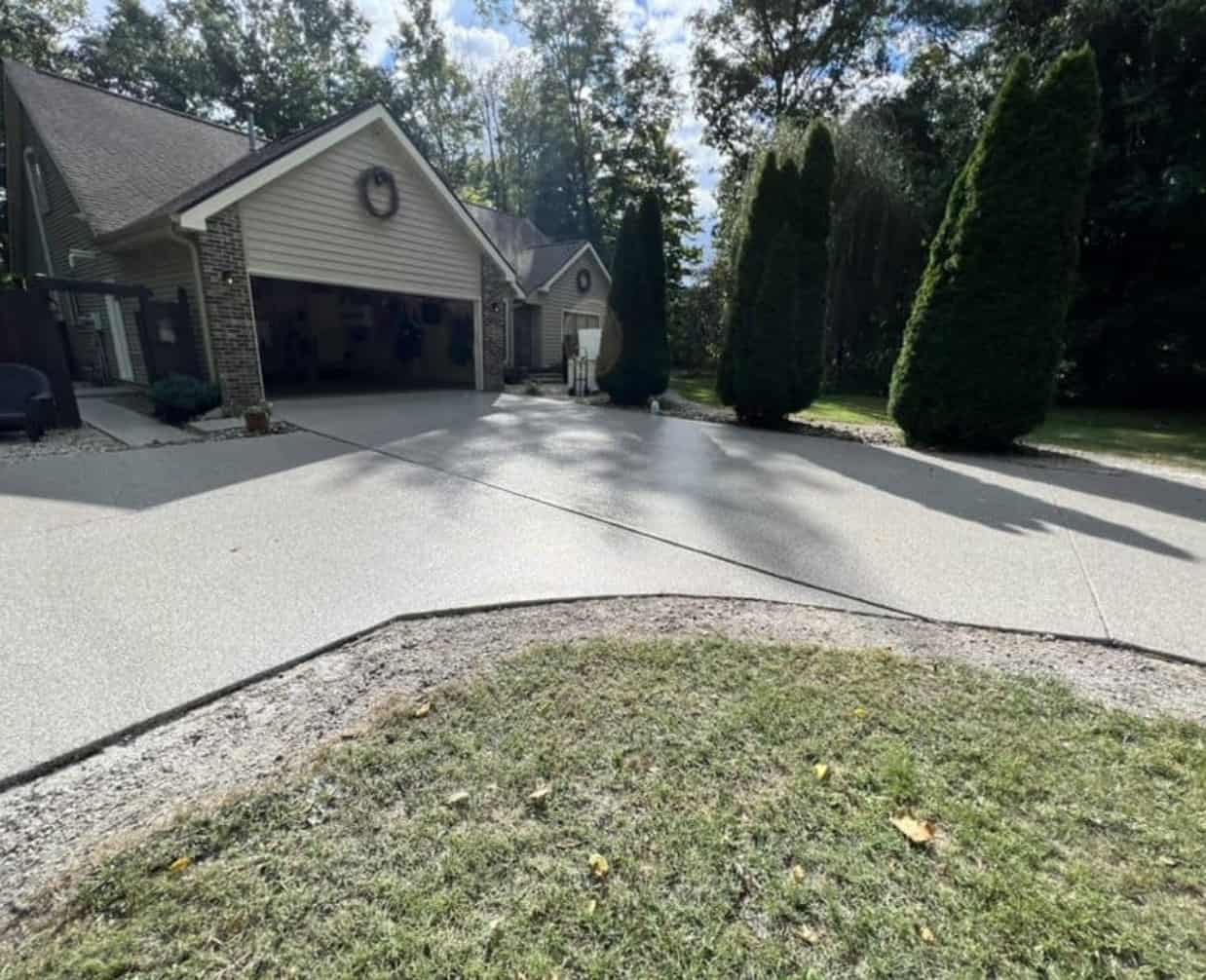
Concrete driveways take a beating. Between blazing summer sun, freezing winter ice, and everyday tire traffic, it's no surprise that untreated or poorly coated concrete starts looking tired after just a few years. If you've noticed your driveway turning chalky, fading in color, or developing a yellowish tint, sun exposure is likely the culprit.
The good news is that this kind of damage is largely preventable. UV-resistant concrete coatings are engineered to withstand constant sun exposure without breaking down, meaning your driveway can maintain its color, texture, and structural integrity for years longer than it would with a standard sealer.
This post breaks down why UV damage happens, how UV-resistant coatings work, and what to look for when choosing a driveway coatings Bloomington IL contractor.
Why does the sun damage concrete driveways?
Concrete itself is fairly resistant to UV rays, but the sealers and coatings applied on top often aren't. Many traditional sealers are made with epoxy or acrylic bases that react to prolonged UV exposure by breaking down at a molecular level. This process, called photodegradation, causes the coating to fade, chalk, or discolor over time.
Once the coating starts breaking down, it no longer protects the concrete underneath as effectively. Water, oil, and de-icing salts can penetrate more easily, leading to cracks, pitting, and surface erosion. In short, UV damage doesn't just affect appearance. It shortens the lifespan of the entire driveway surface.
What makes a coating UV-resistant?
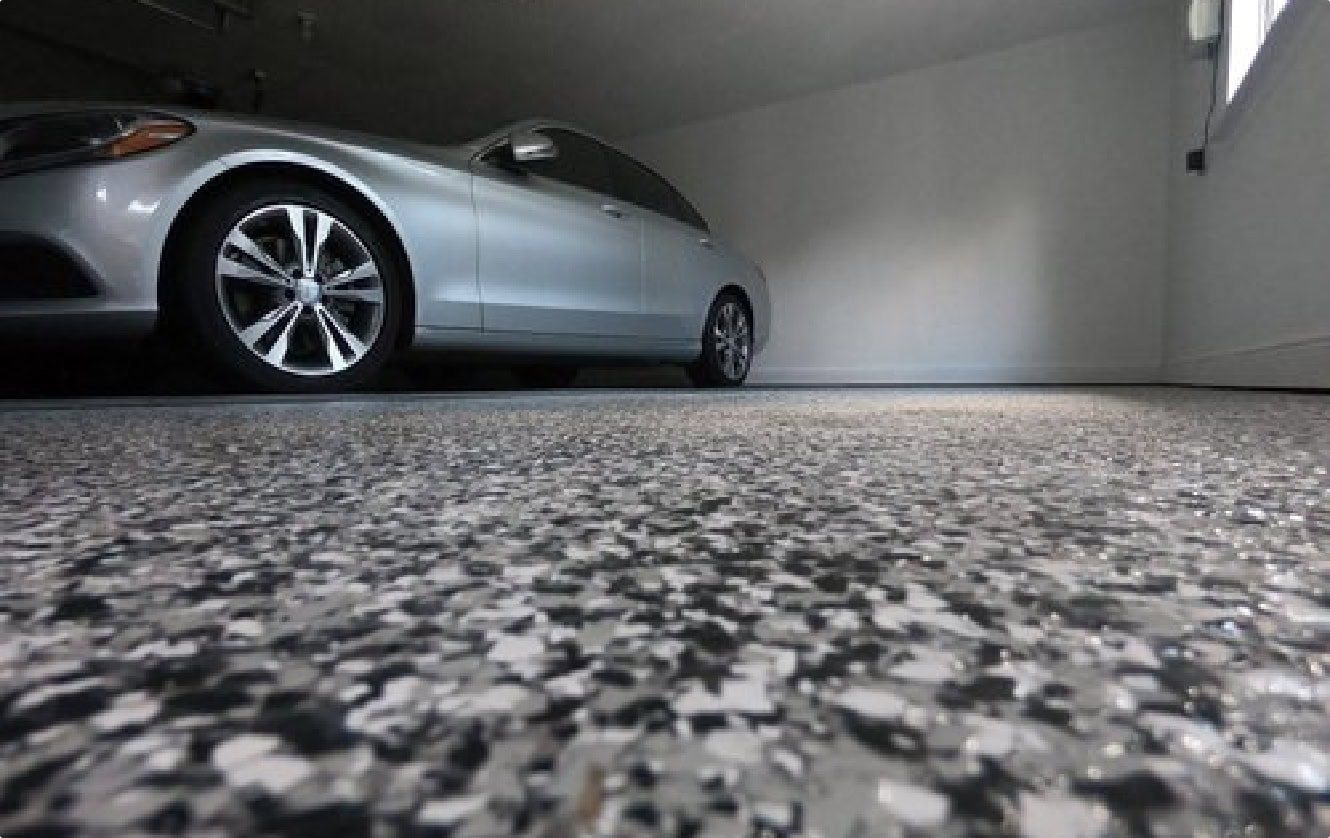
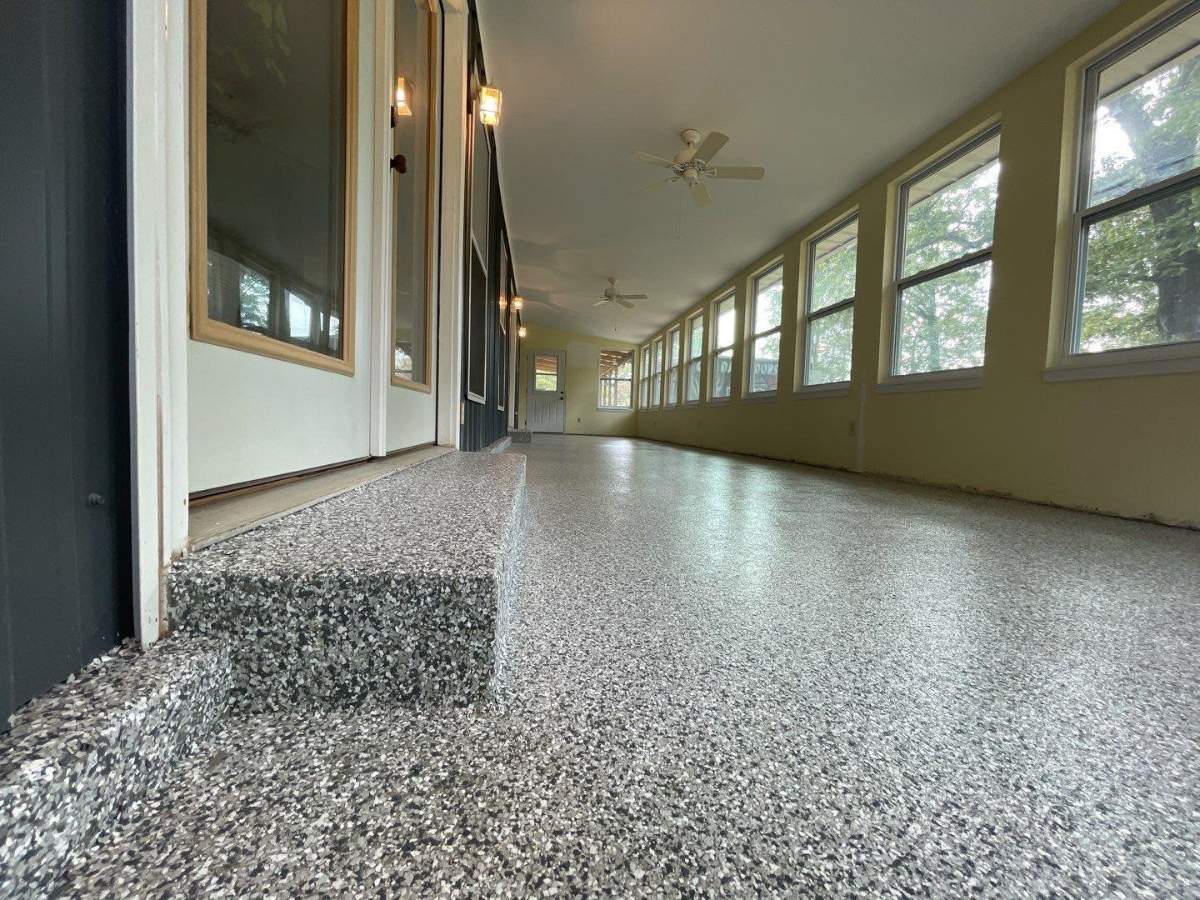
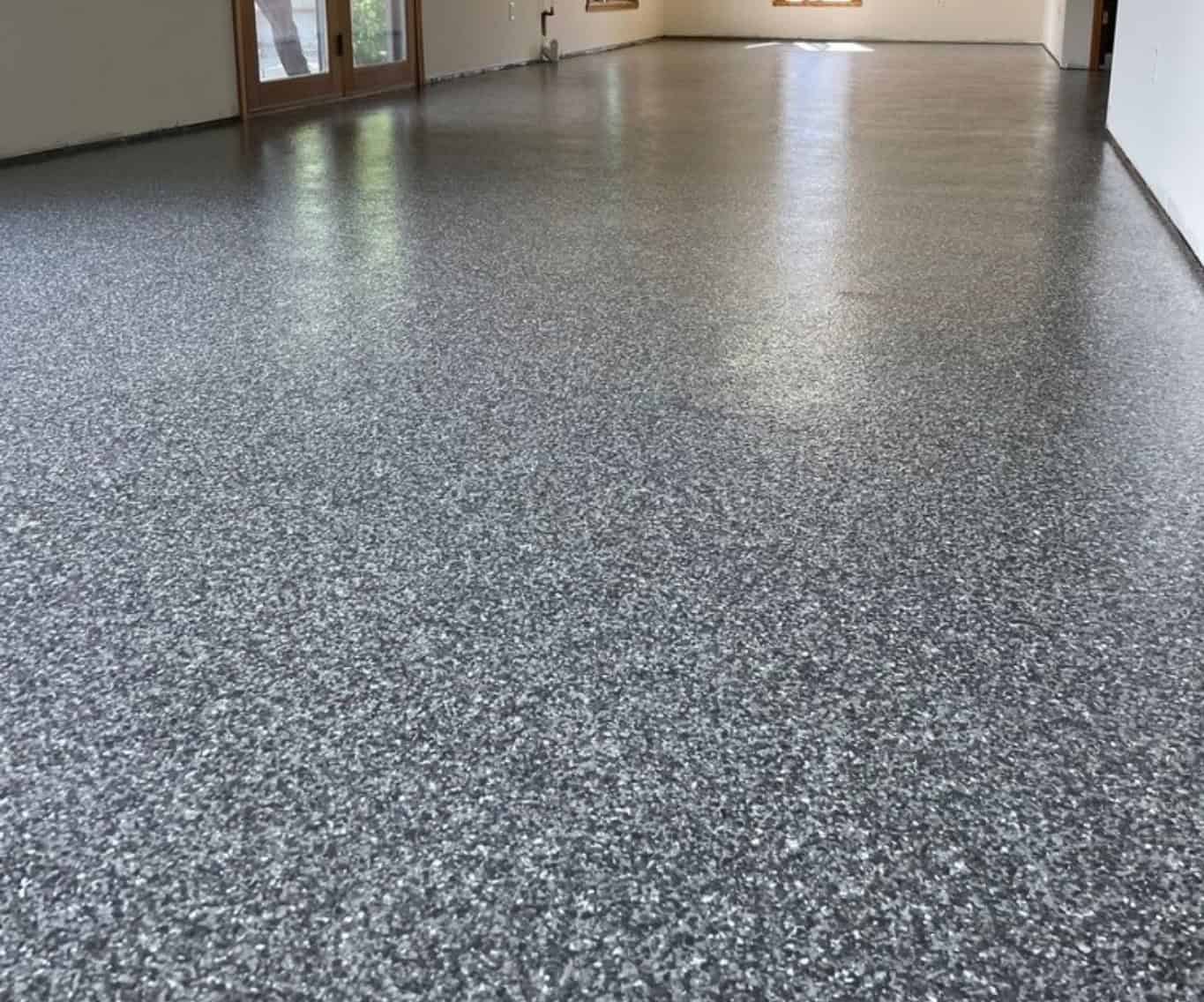
UV-resistant coatings are formulated with materials specifically designed to withstand sunlight without degrading. Two of the most common options in the industry are polyaspartic and polyurea coatings.
- Polyaspartic coatings: Known for their durability and fast curing time, polyaspartic coatings maintain their color and gloss even after years of direct sun exposure.
- Polyurea coatings: These offer excellent flexibility and resistance to cracking, making them a strong choice for climates with significant temperature swings.
Both options differ from traditional epoxy coatings, which tend to yellow and chalk when exposed to sunlight for extended periods. This is why many contractors, including TSR Concrete Coatings, recommend polyaspartic or polyurea systems for driveways that see a lot of direct sunlight.
How long do UV-resistant coatings last compared to standard sealers?
Standard acrylic sealers typically need reapplication every one to three years, especially in areas with high sun exposure. UV-resistant coatings, on the other hand, are built to last significantly longer without needing a full recoat, often maintaining their appearance and protective qualities for a decade or more with proper maintenance.
This longevity comes down to the chemical stability of the coating itself. Because polyaspartic and polyurea formulations resist breakdown at the molecular level, they don't require the frequent reapplication that traditional sealers do.
Why does UV resistance matter for Bloomington, IL driveways specifically?
Bloomington's climate presents a unique challenge for concrete surfaces. Summers bring long stretches of direct sunlight, while winters bring freezing temperatures, snow, and de-icing salt. This combination of intense UV exposure and freeze-thaw cycles puts extra stress on driveway coatings.
A coating that isn't UV-resistant may fade or chalk during the summer months, then crack or peel once winter sets in. Choosing a coating specifically designed to handle both UV exposure and temperature fluctuations means fewer repairs and less money spent on reapplication over time.
This is where local expertise matters. TSR Concrete Coatings understands the specific demands Bloomington's climate places on driveways and selects coating systems built to hold up through both extremes.
What should homeowners look for when choosing a driveway coating?
Not all coatings are created equal, and choosing the wrong one can mean redoing the job within a few years. Homeowners should look for a few key qualities:
- UV stability: Confirm the coating is specifically rated for UV resistance, not just labeled as a general-purpose sealer.
- Flexibility: A coating that can expand and contract with temperature changes is less likely to crack.
- Professional installation: Proper surface preparation and application are just as important as the coating material itself. Even the best UV-resistant product will underperform if it's applied incorrectly.
Working with an experienced local contractor helps ensure the coating is matched to your driveway's specific conditions and installed correctly from the start.
Keep your driveway looking new for years to come
A driveway is one of the first things people notice about a home, and a faded, chalky surface can make even a newer home look neglected. Investing in UV-resistant driveway concrete coatings protects your investment, reduces long-term maintenance costs, and keeps your driveway looking sharp regardless of how much sun it takes on.
If you're ready to protect your driveway from sun damage and Bloomington's unpredictable weather, TSR Concrete Coatings can help you choose and install the right coating system for your home.
Frequently Asked Questions
How much do UV-resistant driveway coatings cost?
Costs vary depending on driveway size, current condition, and the specific coating system chosen. Polyaspartic and polyurea coatings typically cost more upfront than basic sealers, but their extended lifespan often makes them more cost-effective over time.
How long does installation take?
Most driveway coating projects take one to three days, depending on the size of the driveway and whether any repairs are needed before coating application.
Can UV-resistant coatings be applied to older, worn driveways?
Yes, in most cases. Cracks and surface damage typically need to be repaired first, but UV-resistant coatings can be applied to older concrete as long as the surface is properly prepared.
Are UV-resistant coatings slippery when wet?
No. Most professional-grade coatings include a texture additive that improves traction, even in rain or snow.
What's the difference between a sealer and a coating?
Sealers sit on top of the concrete surface and typically wear down quickly under UV exposure. Coatings, like polyaspartic and polyurea systems, bond more thoroughly with the surface and offer greater durability and UV resistance.