Quick answer: The best concrete coating for high-traffic commercial facilities is usually a polyaspartic or polyurethane system. These coatings resist heavy foot and vehicle traffic, chemicals, and abrasion far better than standard epoxy. For businesses in the Kansas City area, TSR Concrete Coatings offers durable, fast-curing options built for demanding environments.
Warehouses, retail floors, restaurants, and manufacturing plants share one thing in common: their floors take a beating every single day. Forklifts roll across them. Carts scrape them. Spills, dropped tools, and constant foot traffic wear them down over time. The right coating protects your investment, keeps your space safe, and saves you money on repairs.
Choosing between the many options isn't always easy. Epoxy, polyaspartic, polyurethane—each has strengths and weaknesses depending on how you use your space. This guide breaks down what matters most when selecting commercial concrete coatings, so you can make a confident decision for your facility.
Key Takeaways
- Match the coating to your traffic level. Polyaspartic and polyurethane systems handle heavy traffic and chemicals better than standard epoxy, making them ideal for warehouses, factories, and busy retail spaces.
- Factor in downtime and cure time. Polyaspartic coatings cure in as little as one day, letting you reopen quickly, while epoxy may need several days to fully harden.
- Work with local experts. TSR Concrete Coatings provides commercial concrete coatings Kansas City MO businesses can rely on for durability, safety, and long-term value.
Why does floor coating matter for high-traffic facilities?
A concrete floor may look tough, but bare concrete is porous and prone to damage. Without protection, it absorbs oil, chemicals, and moisture. Cracks form. Dust builds up. Over time, an unprotected floor becomes a safety hazard and an expensive problem.
A quality coating seals the surface and adds a hard, protective layer. This means fewer repairs, easier cleaning, and a safer environment for your staff and customers. For facilities that run around the clock, that durability translates directly into lower long-term costs.
What are the main types of commercial concrete coatings?
Not all coatings are built the same. Here's a look at the most common options and where each one shines.
Epoxy coatings
Epoxy is one of the most popular and affordable choices. It creates a strong, glossy surface that resists moderate traffic and chemicals. Epoxy works well for showrooms, light commercial spaces, and areas that don't see constant heavy use.
The downside? Epoxy can take several days to cure and may become slippery when wet or yellow over time when exposed to sunlight. For extremely high-traffic zones, it may wear faster than tougher alternatives.
Polyaspartic coatings
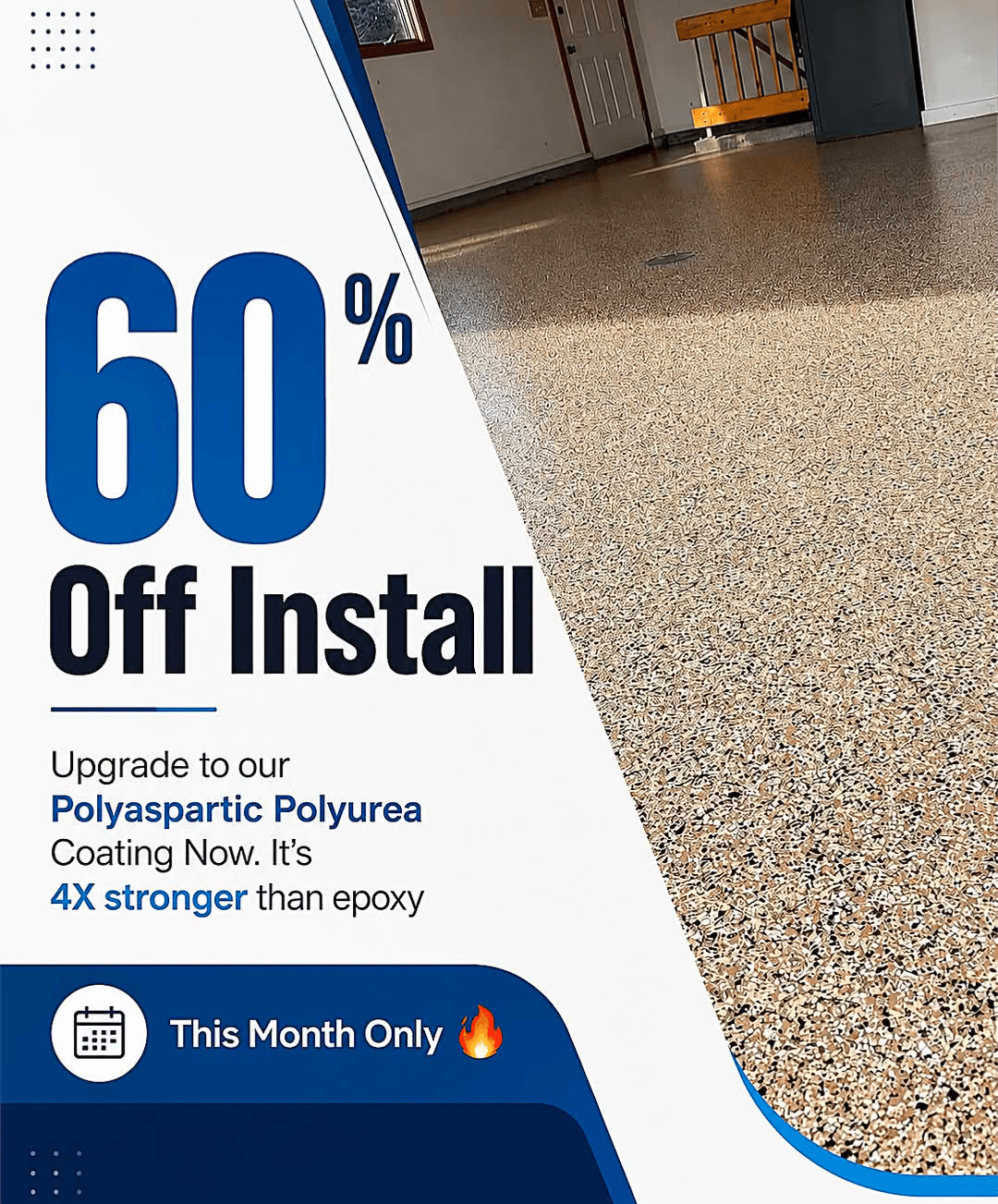
Polyaspartic coatings are a top choice for demanding environments. They cure quickly—often in a single day—which means less downtime for your business. They also resist UV rays, chemicals, and abrasion better than epoxy.
If you run a facility that can't afford long closures, polyaspartic is often the smartest pick. Warehouses, auto shops, and food processing plants benefit from its speed and durability.
Polyurethane coatings
Polyurethane is prized for its flexibility and resistance to scratches, chemicals, and temperature swings. It's often applied as a topcoat over epoxy to boost durability and add a non-yellowing finish.
Choose polyurethane if your facility deals with heavy chemical exposure or frequent temperature changes, such as cold storage or manufacturing plants.
How do you choose the right coating for your facility?
The best coating depends on how you use your space. Consider these factors before deciding.
How much traffic does your floor handle?
Foot traffic and light carts call for different protection than forklifts and heavy machinery. For heavy loads, lean toward polyaspartic or polyurethane systems that resist abrasion and impact.
How much downtime can you afford?
If closing your facility for several days isn't an option, cure time becomes critical. Polyaspartic coatings let you reopen in as little as 24 hours, while epoxy may require three days or more.
What will your floor be exposed to?
Think about spills, chemicals, moisture, and sunlight. Kitchens and labs need chemical resistance. Loading docks need impact resistance. Spaces with sun exposure need UV-stable coatings that won't yellow.
What's your budget—now and later?
Epoxy often costs less upfront, but a tougher coating may save money over time by reducing repairs and replacements. Weigh the initial price against how long the coating will last under your conditions.
Why work with a local coating specialist?
Installation quality matters as much as the coating itself. A poorly prepped floor can cause even the best product to peel or fail. Professional installers grind the concrete, repair cracks, and apply each layer correctly to ensure a lasting bond.
Working with a local team also means faster response times and coatings suited to your region's climate. For commercial concrete coatings Kansas City MO businesses trust, TSR Concrete Coatings brings experience, quality products, and installations designed to withstand years of heavy use.
Protect your floors and your bottom line
The right coating does more than make your floor look good—it protects a major investment and keeps your operation running smoothly. By matching the coating to your traffic level, downtime needs, and exposure risks, you set your facility up for years of reliable performance.
Ready to upgrade your floors? Reach out to TSR Concrete Coatings for a consultation and find the perfect solution for your high-traffic space.
Frequently asked questions
How long do commercial concrete coatings last?
With proper installation and maintenance, quality coatings can last 10 to 20 years. Polyaspartic and polyurethane systems typically outlast standard epoxy in high-traffic settings.
How long does it take to install a commercial concrete coating?
It depends on the product and floor size. Polyaspartic coatings can be installed and ready for use within a day, while epoxy systems may take three to five days to fully cure.
Which coating is best for a warehouse floor?
For warehouses with forklifts and heavy traffic, polyaspartic or polyurethane coatings are usually the best choice thanks to their abrasion and impact resistance.
Can you apply a coating over old or damaged concrete?
Yes, in most cases. A professional installer will grind the surface, fill cracks, and repair damage before applying the coating to ensure a strong, lasting bond.