Quick Answer: Uncoated concrete basement floors release dust, moisture, and chemical particles that degrade your home's indoor air quality. Applying a professional-grade floor coating seals the surface, blocks moisture, and reduces airborne contaminants—making your home healthier and easier to breathe in.
If your home feels stuffy, smells musty, or leaves you sneezing whenever you head downstairs, your basement floor might be to blame. Most homeowners focus on ventilation systems and air purifiers when trying to improve indoor air quality—but overlook one of the biggest culprits sitting right beneath their feet.
Bare concrete is porous. Over time, it releases fine dust particles, harbors mold spores, and allows moisture and soil gases to seep upward into your living spaces. The air circulating through your home picks up these contaminants and carries them into bedrooms, living rooms, and kitchens.
The good news? Coatings for basement floors offer a practical, long-lasting solution. This post breaks down exactly how a quality floor coating improves indoor air quality, what to look for in a coating product, and why working with a professional Tulsa OK concrete coating company makes all the difference.
Key Takeaways
- Uncoated concrete basement floors release dust, moisture, and radon gases that circulate through your entire home.
- Coatings for basement floors seal the surface, blocking airborne contaminants at the source.
- Choosing a low-VOC or VOC-free coating ensures the application process itself doesn't introduce new pollutants into your home.
Why Bare Concrete Basement Floors Are an Air Quality Problem
Concrete looks solid, but it's anything but airtight. At a microscopic level, untreated concrete is riddled with tiny pores and capillaries that allow air, moisture, and gases to move through freely.
Here's what that means for your home's air:
Concrete dust: As concrete ages and experiences foot traffic or temperature fluctuations, it breaks down and releases fine silica dust particles into the air. These particles are small enough to be inhaled deeply into the lungs.
Moisture and mold: Water vapor naturally migrates upward through basement floors. When it has nowhere to go, it creates the damp conditions mold and mildew thrive in. Mold spores become airborne easily, and even low concentrations can trigger respiratory issues, allergic reactions, and chronic congestion.
Radon gas: Radon is a naturally occurring radioactive gas that seeps up through soil and into homes through cracks and pores in concrete. According to the U.S. Environmental Protection Agency (EPA), radon is the second leading cause of lung cancer in the United States. Sealing your basement floor is one recommended step in reducing radon exposure.
VOCs from stored chemicals: Basements often double as storage for paints, cleaning products, and adhesives. An uncoated floor absorbs spills and off-gasses volatile organic compounds (VOCs) over time, contributing to poor indoor air quality throughout the home.
How Coatings for Basement Floors Address These Issues
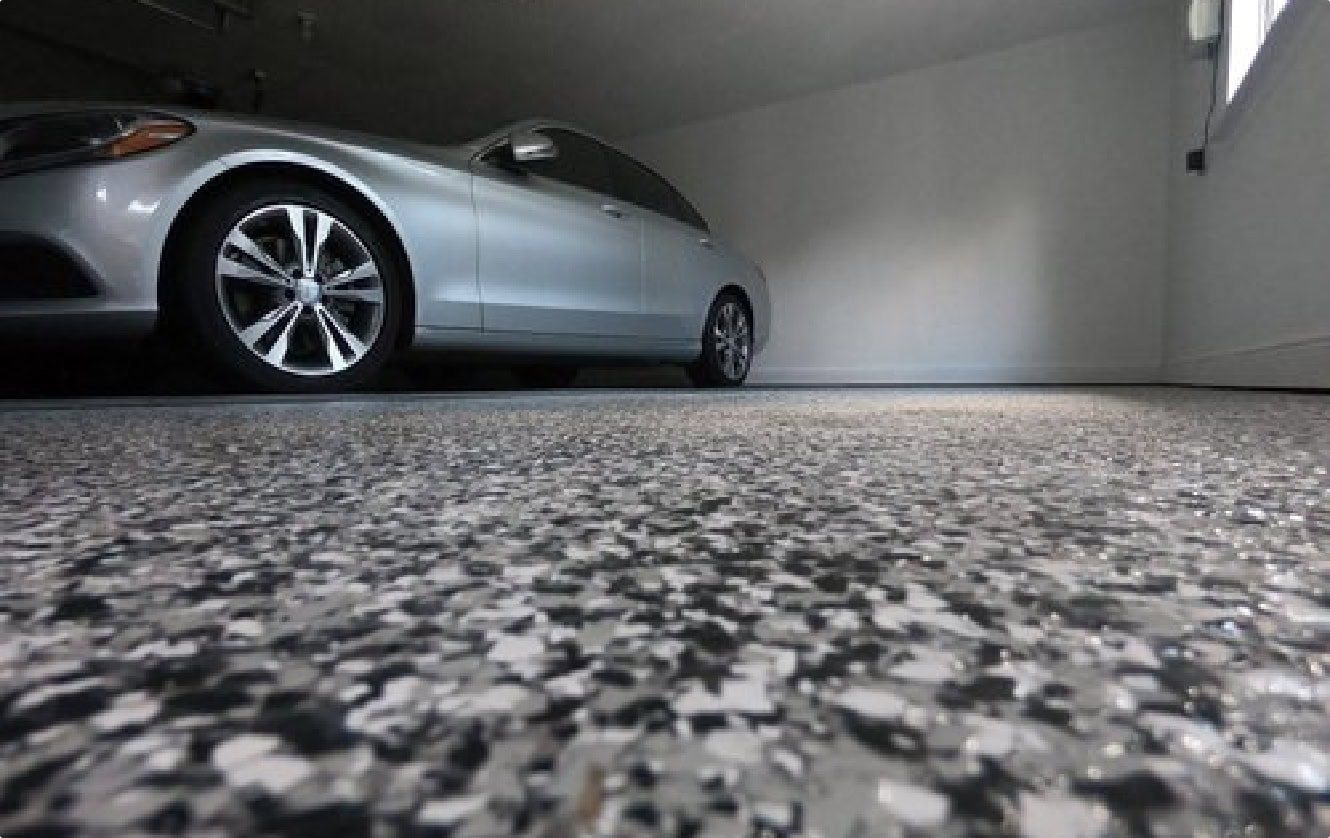
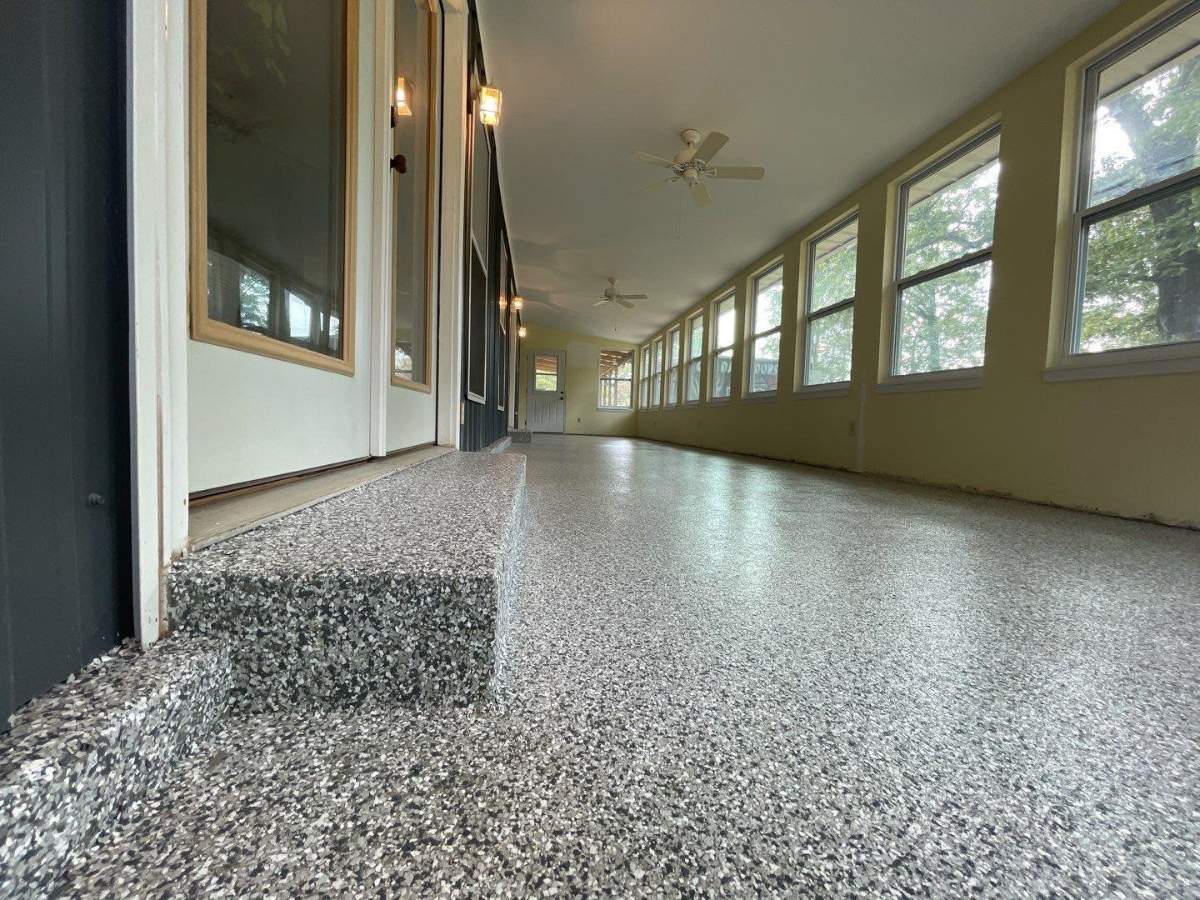
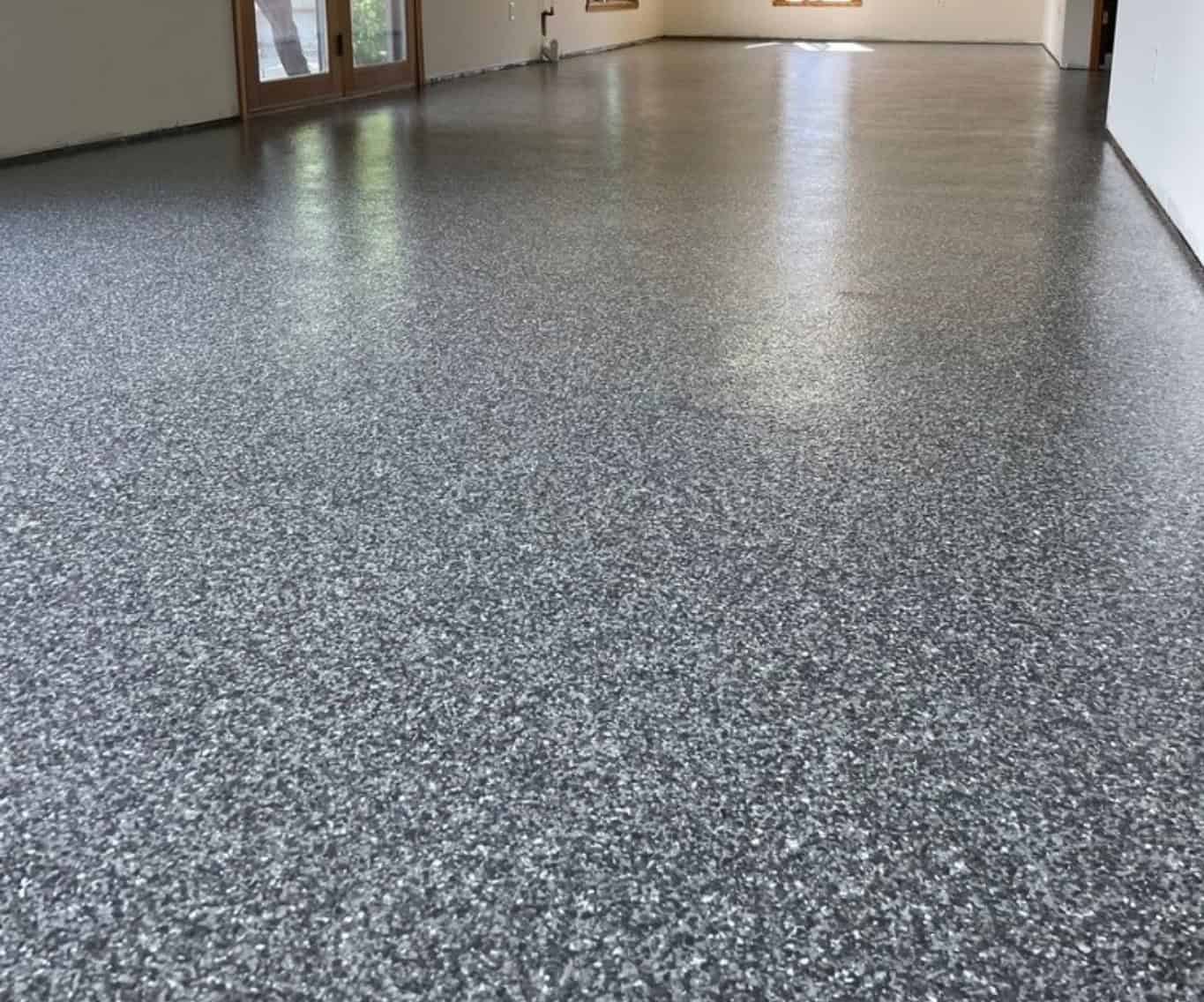
A professionally applied floor coating creates a dense, non-porous barrier over the concrete surface. That seal does several things simultaneously:
Blocking Concrete Dust at the Source
Once a coating bonds with the concrete surface, it encapsulates the material and stops it from breaking down and releasing particles. The result is a hard, smooth surface that doesn't shed dust—even under regular use.
Preventing Moisture Migration
High-quality floor coatings—especially epoxy and polyurea systems—act as moisture barriers. By blocking upward vapor transmission, they eliminate the damp conditions that allow mold and mildew to establish themselves. No moisture migration means no mold growth, and no mold growth means significantly cleaner air.
Reducing Radon Entry Points
While a floor coating alone isn't a complete radon mitigation system, sealing pores and cracks in your basement floor reduces the number of entry points radon gas can use. The EPA recommends sealing cracks in floors and walls as part of a broader radon reduction strategy.
Simplifying Cleaning and Maintenance
An uncoated concrete floor traps dust, debris, and chemical residues in its surface texture. Coated floors, by contrast, are smooth and non-absorbent—making them far easier to clean thoroughly. Regular cleaning removes the particulates that would otherwise become airborne.
What to Look for in a Basement Floor Coating for Better Air Quality
Not all coatings are created equal. When choosing a product with air quality in mind, consider the following:
Low-VOC or VOC-free formulas: Some coatings off-gas VOCs during and after application. Choosing a low-VOC or zero-VOC formula ensures the coating process itself doesn't introduce new pollutants into your home.
Moisture resistance: Look for coatings rated for high-moisture environments. Epoxy and polyurea coatings are both strong performers here, though polyurea systems cure faster and tend to be more flexible over time.
Anti-microbial additives: Some floor coatings are formulated with anti-microbial properties that actively inhibit mold and mildew growth on the coating surface itself—an added layer of protection for air quality.
Professional application: A DIY kit might seem cost-effective, but improper surface preparation is the leading cause of coating failure. If the concrete isn't properly cleaned, etched, and dried before application, the coating can peel, crack, and allow moisture back through. A professional installation ensures the coating bonds correctly and performs as intended.
Why Tulsa Homeowners Should Take Basement Air Quality Seriously
Oklahoma's climate creates specific challenges for basement air quality. High humidity levels during spring and summer accelerate moisture migration through concrete floors. Seasonal temperature swings cause concrete to expand and contract, widening existing cracks and pores over time. These conditions make uncoated basement floors particularly problematic for Tulsa-area homes.
TSR Concrete Coatings is a Tulsa OK concrete coating company that specializes in professional-grade basement floor coating systems designed for Oklahoma's climate. Using polyurea and polyaspartic coatings that bond deeply with the concrete surface, TSR helps homeowners eliminate the root causes of poor basement air quality—not just mask the symptoms.
Is a Floor Coating the Right Solution for Your Basement?
A floor coating is a strong option if your basement shows signs of dust accumulation, surface moisture, musty odors, or visible efflorescence (white mineral deposits on the concrete surface). These are all indicators that moisture and particulates are actively moving through your floor.
That said, if your basement has significant radon levels, a comprehensive radon mitigation system—including sub-slab depressurization—should be implemented alongside a floor coating, not instead of it. A floor coating reduces entry points, but active radon mitigation is the medically recommended approach for elevated radon concentrations.
Breathe Easier Starting From the Ground Up
Your basement floor plays a bigger role in your home's air quality than most people realize. Sealing it with a professional-grade coating doesn't just make the space look better—it actively reduces the dust, moisture, mold, and gases that degrade the air your family breathes every day.
For homeowners in the Tulsa area, TSR Concrete Coatings provides expert installation of coatings for basement floors that are built to last and designed with health and performance in mind. Contact TSR Concrete Coatings today to schedule a free consultation and take the first step toward a cleaner, healthier home.
Frequently Asked Questions
Do basement floor coatings actually improve air quality?
Yes. By sealing porous concrete, floor coatings block the release of concrete dust, moisture vapor, mold spores, and soil gases like radon. This reduces the volume of airborne contaminants that circulate through your home's air supply.
How long does a basement floor coating last?
A professionally applied polyurea or polyaspartic floor coating typically lasts 15–20 years with proper maintenance. Epoxy coatings generally last 5–10 years before requiring recoating, depending on traffic and moisture levels.
Will the coating smell after it's applied?
High-quality, low-VOC coatings emit minimal odor after application and off-gas quickly. Most homeowners can return to normal use within 24 hours of a polyurea system being applied.
Can I apply a basement floor coating myself?
DIY coating kits are available, but improper surface preparation often leads to adhesion failure, peeling, and moisture intrusion. Professional installation ensures the concrete is correctly prepared and the coating bonds for long-term performance.
Is a floor coating enough to address a radon problem?
Sealing your basement floor reduces radon entry points but should be paired with a sub-slab depressurization system for elevated radon levels. The EPA recommends professional radon mitigation if levels exceed 4 pCi/L.